
BUSINESS


Fast Moving Consumer Goods (FMCG) Industry in India
In India the FMCG sector is a large and very active field which includes products that people use every day like food products, personal care items, cleaning materials, and basic home goods.
These products sell out quickly and are used on a regular basis which in turn means companies have to have them available at all times. The demand for FMCG products is constant as they are a part of day to day living.
By 2026 the FMCG sector in India did see great growth which was a result of increasing income levels, better living standards, and also greater access to products in urban and rural areas.
The FMCG industry is very diverse in terms of product categories. We see inclusions of packaged food, beverages, personal care which includes soaps and shampoos, home care products which are detergents and cleaners, and health care products.
Other sections include dairy products, snacks, ready to eat food, and basic kitchen items. We have a wide range of pack sizes, from small to large which in turn makes our products very affordable for different groups of customers.
In recent time the FMCG industry in India has reported steady growth. What we are seeing is a trend of more people choosing branded products over loose or unbranded goods which plays out in both urban and rural areas.
Rural markets are of great importance to FMCG companies. We see that better roads, mobile access, and digital payment options have enabled companies to penetrate into these areas more so. Also we note that use of smaller pack sizes and competitive pricing have played a role in boosting sales in rural areas.
Online shopping has also fueled the growth in the FMCG sector. We see a large number of people today purchase everyday products online, through their mobiles, laptops’ and desktops at the comfort of their homes and this also at time which is more convenient.
India has a large number of very known FMCG companies which put out a wide range of products. Which includes ITC Limited, Hindustan Unilever Limited, Dabur India, Nestlé India, Marico, and Britannia Industries Limited. Global players like Procter Gamble and Coca-Cola are also very much present in India.
These companies do well by providing high quality products, strong brand value, and extensive national distribution.
The FMCG industry is built on strong supply systems. Products flow from factories to warehouses, then to distributors and into shops or consumers.
In India local shops which are of a small scale still play a large role in the sale of FMCG products at present, at the same time in many cities we see very quick growth of super markets and online platforms.
Companies are at work to increase delivery speed and to also have products available in all areas which includes remote locations.
Although the FMCG sector is growing at present it is also very much a challenge. Issue of input and transport costs is a great concern which is in turn passed on to the consumer in terms of price. Also we see a very high degree of competition between firms.
Companies are also reporting that they have to constantly change what they do because of customer preference shifts. Now customers are into health and better quality products which is pushing companies to always improve what they put out.
The FMCG industry in India is looking at a very bright future. We will see growth as more people climb into the middle income bracket and increase their spend.
Rural areas, online sales, and new products will be key in the coming years. Which companies that put focus on quality, price, and availability will do well.
In India the FMCG sector is a very large player in our everyday lives. We see products from food to personal care in our homes which are used by large numbers of people daily. Also with growth which is steady, expansion of reach, and transformation of consumer trends the sector is growing and is a key element of the Indian economy.
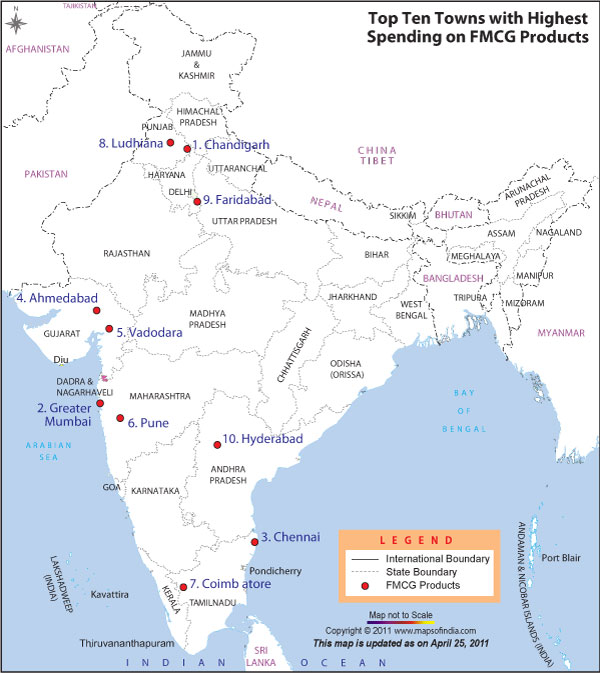
These products sell out quickly and are used on a regular basis which in turn means companies have to have them available at all times. The demand for FMCG products is constant as they are a part of day to day living.
By 2026 the FMCG sector in India did see great growth which was a result of increasing income levels, better living standards, and also greater access to products in urban and rural areas.
Key Segments in FMCG Sector
The FMCG industry is very diverse in terms of product categories. We see inclusions of packaged food, beverages, personal care which includes soaps and shampoos, home care products which are detergents and cleaners, and health care products.
Other sections include dairy products, snacks, ready to eat food, and basic kitchen items. We have a wide range of pack sizes, from small to large which in turn makes our products very affordable for different groups of customers.
Growth of FMCG Industry in 2026
In recent time the FMCG industry in India has reported steady growth. What we are seeing is a trend of more people choosing branded products over loose or unbranded goods which plays out in both urban and rural areas.
Rural markets are of great importance to FMCG companies. We see that better roads, mobile access, and digital payment options have enabled companies to penetrate into these areas more so. Also we note that use of smaller pack sizes and competitive pricing have played a role in boosting sales in rural areas.
Online shopping has also fueled the growth in the FMCG sector. We see a large number of people today purchase everyday products online, through their mobiles, laptops’ and desktops at the comfort of their homes and this also at time which is more convenient.
Major FMCG Companies in India
India has a large number of very known FMCG companies which put out a wide range of products. Which includes ITC Limited, Hindustan Unilever Limited, Dabur India, Nestlé India, Marico, and Britannia Industries Limited. Global players like Procter Gamble and Coca-Cola are also very much present in India.
These companies do well by providing high quality products, strong brand value, and extensive national distribution.
Distribution and Supply Network
The FMCG industry is built on strong supply systems. Products flow from factories to warehouses, then to distributors and into shops or consumers.
In India local shops which are of a small scale still play a large role in the sale of FMCG products at present, at the same time in many cities we see very quick growth of super markets and online platforms.
Companies are at work to increase delivery speed and to also have products available in all areas which includes remote locations.
Challenges in the FMCG Industry
Although the FMCG sector is growing at present it is also very much a challenge. Issue of input and transport costs is a great concern which is in turn passed on to the consumer in terms of price. Also we see a very high degree of competition between firms.
Companies are also reporting that they have to constantly change what they do because of customer preference shifts. Now customers are into health and better quality products which is pushing companies to always improve what they put out.
Future Outlook of FMCG Industry
The FMCG industry in India is looking at a very bright future. We will see growth as more people climb into the middle income bracket and increase their spend.
Rural areas, online sales, and new products will be key in the coming years. Which companies that put focus on quality, price, and availability will do well.
Conclusion
In India the FMCG sector is a very large player in our everyday lives. We see products from food to personal care in our homes which are used by large numbers of people daily. Also with growth which is steady, expansion of reach, and transformation of consumer trends the sector is growing and is a key element of the Indian economy.
For more information contact :
[email protected]
Disclaimer : All efforts have been made to make this image accurate. However Compare Infobase Limited and its directors do not own any responsibility for the correctness or authenticity of the same.
Last Updated on September 10, 2026Disclaimer : All efforts have been made to make this image accurate. However Compare Infobase Limited and its directors do not own any responsibility for the correctness or authenticity of the same.